Restoration terms might be unfamiliar to numerous property owners. Restoration is an infrequent procedure you will use if damage happens to your property.
Knowing the procedures being done on your property is vital so you can note previous damage. Understanding the process means understanding the terms entailed.
What is Fire Damage Restoration?
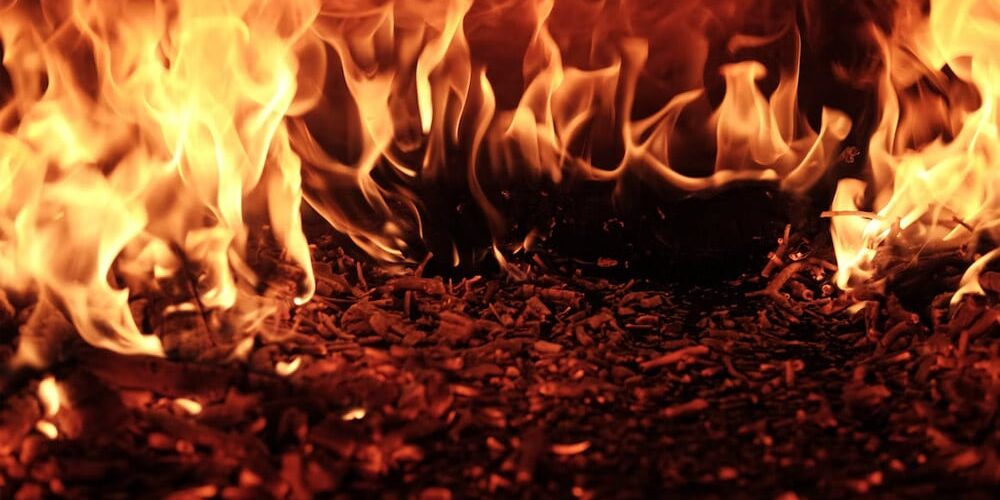
A fire in a home or business is a complete nightmare to handle since the damage is vast and highly disruptive to your life. You might feel some relief once the fire is out and everyone is safe, but the harm is only beginning. Fires produce corrosive byproducts when they burn synthetic materials. These byproducts, along with smoke and soot, produce massive damage to furnishings and surfaces. This damage typically spreads into spaces that the fire itself didn’t reach, which is why you should start fire damage restoration as soon as the fire department clears your home or business.
Fire damage restoration is the procedure where destruction caused by fire, smoke, and corrosion is fixed and restored. This technique includes eliminating corrosion from furnishings and surfaces produced by soot, byproducts, and smoke odors.
Water Damage Restoration
After safeguarding the property, water damage restoration professionals eliminate water from putting out the fire and restore any ensuing damage. They then dry the affected spaces using dehumidification and drying tools to stop mold growth and other problems.
Water Remediation Defined
Water remediation is the method of cleaning, sanitizing, and restoring things where the water damage has happened.
Water remediation should be regarded as the point that links mitigation and restoration together. It is that significant step that lets water damage repair experts move on to the restoration work that will completely return a home or business to its primary state.
When it comes to water damage, it is critical to act as swiftly as possible. Untreated water damage left untouched could become a greater hazard. Bacteria, mold growth, and viruses could develop in damp conditions. So, the most crucial step in water remediation is to halt the water source and get rid of the water. The restoration process closely follows water damage mitigation.
Water Mitigation and Water Restoration
Water mitigation is the method of halting the flow of water, evaluating the sort of mitigation efforts required, removing the water, and drying out the property.
- Examining the structure’s stability
- Eliminating water-damaged carpeting and furnishings
- Drying out the property with huge fans
- Disinfecting remaining materials
Water damage restoration is the method of fixing and restoring a water-damaged property to restore the property to its primary condition before the water incident. Water damage restoration is usually performed after water mitigation.
- Detaching water-damaged drywall and other damaged structural elements
- Fixing damaged roof
- Restoring subfloor
- Examine for moisture to make sure the property and all spaces are totally dry
Count on Us for Water Restoration
You hope it never occurs. When it does, you could depend on us since we’re the best business for water damage restoration in Denver.
We’re proud of our reputation as Denver’s most trusted fire and water damage restoration company.