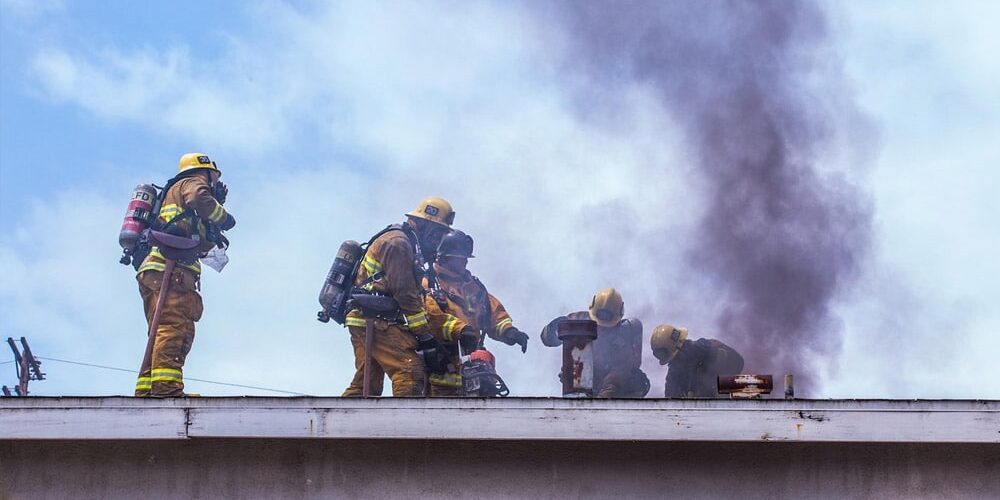
Home is where we feel the safest. It’s the place where we cook and enjoy our meals, curl up with our loved ones to watch movies, and go to bed each night believing we are protected from harm. However, many of the everyday items we rely on to give us comfort and convenience have the potential to spark a fire – sometimes with devastating consequences. In a dryer climate, fire restoration in Denver is a serious business, and some of these disasters can be prevented.
According to the National Fire Protection Association (NFPA), fire departments in the United States respond to hundreds of thousands of house fires each year. Many of these fires start with common household items we either take for granted or overlook. Exploring and understanding the most common fire hazards found in homes can potentially help prevent some of these dangerous threats. It’s also important to understand why they’re risky, and how to use or store them safely to protect your family and your property.
Clothes Dryers & Lint Traps
It’s easy to forget about your dryer once you’ve tossed in a load of laundry. However, dryers are one of the leading causes of household fires – especially if lint buildup is involved. Lint is highly flammable. If your dryer’s lint trap, vent, or exhaust duct becomes clogged, the heat produced by the dryer can ignite the lint and start a fire. It’s important be mindful of each of these areas of your dryer so that you can ensure you’re keeping them clean and clear.
In order to maintain your dryer to keep it safe and prevent the chances for a fire in your home, there are a few things you can do. Most importantly, be sure to clean the lint trap after every load, if possible. Every time you run a load through your dryer, that trap is catching lint. Even though it might not look to terribly full, get in the habit of cleaning it before or after every load. You should also check and clean the dryer vent and exhaust duct at least once per year. Also try to avoid running the dryer when you’re asleep or away from home.
Space Heaters
Another major culprit in causing fires within the home is space heaters. These helpful appliances can keep your basement or other rooms warm when temperatures get chilly, but they also pose a fire risk. During the colder months, space heaters can become a staple in many homes across Colorado, but they’re also one of the leading causes for home fires. These appliances generate intense heat and are often placed too close to flammable items like curtains, bedding, or furniture. Older models can also overheat or malfunction.
Many modern space heaters have built-in safety features that can help prevent fires in the home, but these safety features aren’t failsafe. They still need responsible usage from the people running them. It’s important to keep at least three feet of space around the heater so that the intense heat doesn’t cause anything near it to ignite. As helpful and comfy as it can be during bedtime, never leave a space heater unattended or running overnight. Always opt for models that include automatic shutoff features and tip-over protection.
Toasters & Toaster Ovens
Small and mighty, toasters and toaster ovens are staples in just about every kitchen. However, these little guys are responsible for more kitchen fires than many people would expect. Crumbs and food particles can build up inside both toasters and toaster ovens, where they’re exposed to the appliance’s heating elements. This buildup an ignite quite unexpectedly. Malfunctions or leaving the appliance unattended can also lead to fire.
Keeping these common household items from becoming a fire risk can be done with a few simple steps. First, be sure to clean out crumbs and food debris regularly. This is the main cause of fires, so getting into the habit of doing this regularly can almost eliminate the risk of fires. Like the space heater, don’t leave the toaster or toaster oven near any curtains or other flammable materials. Also never leave a toaster or toaster oven completely unattended while in use.
Stovetops & Ovens
Cooking is the leading cause of home fires in the United States, and it’s often due to distractions or forgotten meals. There are a number of ways that fires can occur in the kitchen, but the common usage and versatility of these appliances makes them a real fire risk. Grease can splatter and catch fire, pots can boil over, and food left unattended can burn. Electric coils and gas flames also pose direct fire risks if something flammable were to come into contact.
Simple cooking safety measures can drastically mitigate the risk of fire from these kitchen appliances. Stay in the kitchen while cooking – especially when using high heat. Once something starts to boil or burn, it doesn’t take long for the entire dish to be compromised. Keep towels, paper products, and curtains away from the burners. Turn your pot handles inward. When pointing outward, they can be knocked over by someone working in the kitchen, or simply by an unaware child running by.
Candles
These are a lovely way to create ambiance or fragrance in your home – but remember that candles are also open flames. Let unattended, they can cause a lot of damage that can spread rapidly through your home. Because of their open nature, candles can easily ignite nearby fabrics, paper, or even hair. Many candle fires occur in homes because the flame is left unattended or simply placed in an area that’s too close to something flammable.
Proper candle etiquette can remove a lot of the risks from their use. Never leave a candle burning when you leave the room. It only takes an instant for something to ignite, and fire spreads rapidly. You can always relight the wick when you return (and this will help your candles last longer, too). Always use sturdy candle holders and place your candles on a stable surface. Be sure to also place lilt candles away from pets and children – as they could unexpectedly knock them over – and always keep them three feet away from flammable objects.
Extension Cords & Power Strips
These common household devices provide a lot of convenience – particularly with all of the devices that need to be plugged in these days. Both power strips and extension cords are often misused or overloaded in countless homes. These can both overheat when too many devices are plugged into them. Older extension cords may have frayed wires or cracked insulation, increasing the risk of sparks. When power strips are overloaded, they can not only cause sparks that can lead to fire, but they also may damage or destroy the items plugged into them during the overheating.
It’s important to make sure you’re not putting too much strain on either your extension cord or power strip. Don’t overload a single outlet. Remember, the power strip is there to provide a space to plug numerous things into – but they’re all going to the single outlet. If you have a single power strip that has plugs from numerous things that are always being used at the same time, maybe split them between a pair of power strips plugged into separate outlets. Be sure to replace any cracked or damaged extension cords immediately. Only use UL-rated extension cords, and never run them under rugs or furniture.
Light Fixtures & Holiday Decorations
Your light bulbs are a necessity, and festive lights can bring joy during the holiday season. No matter what type of light fixture it is, it can also pose a serious fire risk. The wrong wattage can be a major reason when light fixtures can overheat, and overheated bulbs with faulty wiring can ignite surrounding materials – particularly in enclosed spaces. During the holidays, dry Christmas trees, overloaded light strands, and malfunctioning decorations can all contribute to house fires.
Always use bulbs that match the fixture’s recommended wattage, and never cover lamps with cloth or paper. Watch for flickering lights or burning smells, and replace damaged fixtures as soon as possible. Going back to the issue with extension cords, be sure to inspect all of the wiring with your holiday lights. If they are old and frayed and have exposed wires, throw them out. Keep your Christmas trees well-watered and away from any heat sources. No matter how pretty that tree may look in your dark living room, be sure to turn off all lights and decorations before leaving home or going to bed.
Not all fires start with dramatic explosions or visible flames. Instead, it’s the slow, smoldering burn that goes unnoticed until it’s too late. The good news is that a lot of these household fires can be prevented. For more information on what you can do around your home to prevent the threat of fire, reach out to the experts at Pure Restore today.