Mold is one of those household issues that no one wants to deal with. Unfortunately, it’s incredibly common. Whether it’s caused by water damage from a leaky roof, a flood, or simply high humidity, mold can develop quickly and quietly – often growing out of sight until the problem becomes too big to ignore. Once you spot it (or you smell it), you’re likely to start searching for ways to deal with it.
When looking for these methods, you’ll come across two similar-sounding terms: mold removal and mold remediation. At first glance, they might seem interchangeable, but while mold removal and remediation are closely related, they are not the same thing. They both may involve getting rid of mold, but they refer to different processes with different scopes, purposes, and outcomes. Understanding the difference is critical for choosing the right service between different restoration companies in Denver, because you want to make sure your problem is fully handled and not just temporarily covered up.
What is Mold?
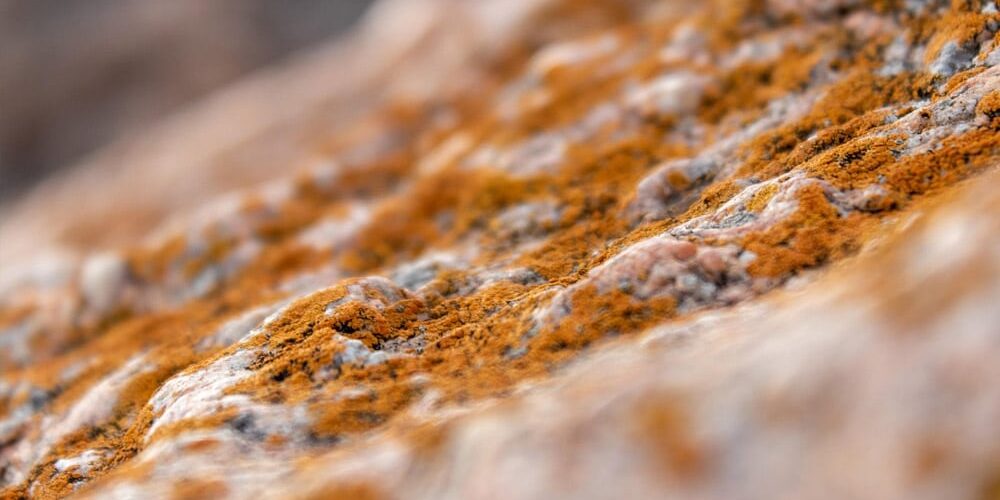
Before jumping into the difference between the terminology of mold removal and mold remediation, it’s important to understand what mold is and why it’s a problem. Mold is a type of fungus that grows in multicellular filaments called hyphae. It thrives in moist, warm, and dark environments – like basements, bathrooms, attics, crawl spaces, and inside walls. Mold reproduces through microscopic spores that travel through the air, and these spores can land just about anywhere.
Not all forms of mold are toxic, but all mold has the potential to cause health issues and damage property. Common symptoms of mold exposure include nasal congestion, throat irritation, coughing or wheezing, irritated or itchy eyes, and skin rashes. More severe causes can result in respiratory infections or asthma complications. Mold also eats away at the surfaces it grows on – wood, drywall, insulation, and even carpet – leading to expensive repairs if left untreated.
Mold Removal: Solution on the Surface
Mold removal typically refers to the physical process of eliminating visible mold from a surface. This can involve a number of techniques, from scrubbing mold off of bathroom tiles to cleaning moldy spots on a wall to using bleach or other household products to wipe away mold. In many cases, mold removal is sufficient for minor mold problems – like a little growth on your shower spout or underneath a sink due to a slow leak. It’s important to recognize the limitations. Without a deeper look into what’s feeding the mold and how far it has spread, removal might just be a temporary fix.
One of the key characteristics of mold removal is that it focuses on visible mold only. Removal deals with what you can see, not necessarily what lies beneath the surface. Mold removal is often a do-it-yourself job that is often just a short-term fix. Homeowners might attempt mold removal themselves, using basic tools and cleaners, but it’s important to note that it may not address the root cause. If the moisture problem isn’t resolved, the mold will likely return. Mold removal generally doesn’t involve inspecting the extent of the contamination, so increased efforts are probably necessary for larger infestations.
Mold Remediation: A Comprehensive Approach
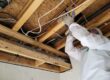
Mold remediation is a broader, more thorough process than mold removal. It doesn’t just aim to “remove” mold – it aims to contain, clean, and prevent it from returning. Remediation involves identifying the source of moisture, assessing the size of the mold infestation, and creating a strategic plan to address it. Professionals inspect the property to locate all mold sources, including those hidden behind walls, under flooring, or in HVAC systems. Air quality testing may also be performed to detect mold spores.
Once the affected areas are identified, they are isolated using plastic sheeting, negative air pressure machines, or other barriers to prevent mold from spreading. From there HEPA filters are used to capture airborne mold spores, improving indoor air quality and preventing cross contamination. Contaminated materials (like drywall or carpet) may be removed entirely if they’re too damaged. In some cases, non-porous surfaces can be cleaned and treated with biocides or antifungal agents. Addressing moisture is crucial. Industrial-grade dehumidifiers and fans are used to dry the space thoroughly, making it less hospitable to mold growth. Once the mold is removed and the space is dry, the restoration process begins. This can include replacing drywall, painting, or reinstalling carpet – whatever it takes to return the property to its original condition.
Why the Terminology Matters
What is the difference when a company offers mold removal or mold remediation? The terminology often reflects the scope and quality of the service. Companies that advertise only “mold removal” may be offering a quick fix – wiping down visible mold without truly resolving the issue. This can be problematic, especially if the mold has spread to hidden areas or if there is a recurring moisture issue (like leaks or poor ventilation). This can also have a serious impact on people in the household that have allergies, asthma, or compromised immune systems.
However, professionals who specialize in mold remediation are typically trained and certified to handle mold safely and effectively. They understand mold as a systemic problem, not just a cosmetic one. Removal is typically just surface-level cleaning, while remediation is more comprehensive. This makes remediation the long-term solution because it treats the cause and the effect – where removal merely focuses on the effect. Trained professionals are needed to implement effective remediation, as this is best used for widespread, recurring, or hidden mold.
When is Mold Removal Enough?
There are some situations where basic mold removal may be sufficient for your needs. If the mold covers less than 10 square feet, it’s likely not necessary to bring out the big guns of remediation. It also depends on the surface. If the mold is growing on a non-porous surface like tile or metal, mold removal may be the best course of action. The focus of mold removal is eliminating visible mold, so if it hasn’t infiltrated any surfaces like carpet or drywall, for example, this method might be enough.
Removal is typically best for smaller infestations, but even small infestations can cause problems for people with compromising health conditions. If no one in the household has any mold-related health sensitivities, mold removal might be an appropriate option. If you know the cause that started the mold growth in the first place, and that cause has been addressed, mold removal can also be a suitable option. For example, if there was just a small leak in your bathroom sink, and you remedied the cause promptly enough, mold removal is likely all that’s needed.
When Do You Need Mold Remediation?
If the mold covers a larger area than 10 square feet, it’s a good idea to bring in the professionals to perform mold remediation. One other rule of thumb is to bring in specialists if the mold has infiltrated any porous materials. This includes everything from carpet on the flooring to ceiling tiles, as well as any drywall or insulation. If there’s a musty smell, but no visible mold, you need remediation. That odor is a sign that there is hidden growth somewhere, and only remediation will be able to root out the entire infestation as well as the cause.
If you’ve performed mold removal and the mold keeps returning, it’s time to take on a more powerful approach. Until it’s completely eradicated, mold will continue to come back. This can cause a lot of damage to your home, but it can also cause any health symptoms to get worse. Another main reason to call for remediation specialists is if the mold is the result of flooding or major water damage. Mold removal services might not be enough in these instances, and could even make the problem worse by releasing more spores into the air.
Choosing the Right Mold Professional
When hiring a mold professional, there are a number of things to look for to make sure you’re getting the right service. Most importantly, look for certifications. Reputable companies often hold certifications from organizations like the Institute of Inspection Cleaning and Restoration Certification (IICRC) or the National Organization of Remediators and Mold Inspectors (NORMI). A good remediation company will also explain their containment methods, equipment and approach to quality control.
Be sure to get a written estimate that outlines their scope of work, timeline, and costs – and don’t fall for “100% mold removal” promises. Mold is part of our natural environment. A realistic goal is to return indoor mold levels to normal, safe levels, not to eliminate every last spore. Also check their reviews and references. Experience matters. Look for companies with a strong track record for mold remediation.
Even though they might sound the same, mold removal and mold remediation are two very different processes that can bring about very different results. For more information on which of these might be the best for your situation, reach out to the experts at Pure Restore today.