
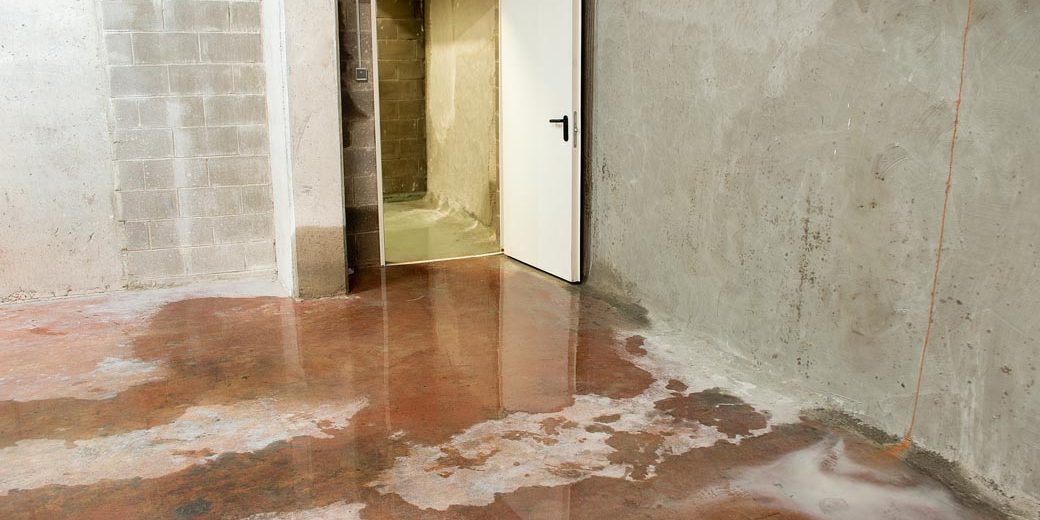
Introduction to Residential and Commercial Water Damage
An unexpected emergency from the result of water damage is frustrating for residential homeowners or property owner. The effects are costly, and the process is inconvenient—but working with the right team will guarantee you a much better outcome. At Pure Restore we pride ourselves in having a comprehensive approach to detecting water damage accurately and responding accordingly.
How Does Water Damage Affect Your Home?
Water can cause so much harm to a structure because of how freely it moves. By following the path of least resistance, it finds its way going down to predictable places (crawlspaces, basements) and sometimes less predictable places (dripping all the way down a structural support beam).
This leads to water throughout the home, even in places where it can’t be seen—such as between walls or the floor and foundation. In some cases that misplaced water can freeze, get soaked into certain surfaces—particularly porous ones—causing even more problems.
Fortunately, there are a lot of tools that can help detect water in difficult to reach spaces, such as FLIR (infrared instruments) and moisture readers.
Somehow… It Gets Worse
You already know it: mold. There are three common misconceptions about mold that we should get out the way:
- That black mold is the only bad mold (not true)
- That all growth on a surface is mold (not true)
- Mold takes a long time to grow (not true, as it might take only 24-48 hours to start)
The fact is that no mold is healthy for you and that nearly any water loss can cause mold. Some people will have particularly harmful reactions from mold in their environment.
Not acting quickly is bad enough due to the water damage itself and the cost of water removal, but you will further exacerbate your costs when you delay mitigation because of how fast mold spores will start to colonize.
Mold spores will travel throughout your home due to variables such as HVAC and how much your air moves in general. It’s important to not give mold a chance to spread to other rooms of the house.
How Do We Fix Water Damage?
The answer is both within the technique and tools we use. By using cutting edge instruments (such as InstaScope and FLIR) and up-to-date humidifiers and air movers we can assure a timely and thorough removal of water.
Having additional tools and testing throughout the process allows for us to customize water removal based on a case-by-case basis.
What Are The Main Causes Of Water Damage?
Leaking or bursting pipes (Caused by cold weather and plumbing systems that are losing its integrity.)
Supply line leaks from appliances (One of the simpler, least expected and therefore more common causes.)
Blocked Drains and Clogged Gutters (Backed up drains and gutters will find a way to relocate water.)
Sump Pump Failure (Sump pumps are a common culprit when they fail at relocating water.)
How Long Does It Take To Remove Water From A Home?
There are a few factors that dictate the timeline of recovery for water damage. Some jobs take as little as three days and others could be upwards of 10 or more days.
What are the different water loss categories?
Category One
This type of water is uncontaminated and should have no additives. Category one water typically comes from broken water supply lines, clean water from a sink or toilet, melting ice or falling.
Category Two
Water is considered category two if it has contaminants and when it has the ability to cause sickness when contacted or ingested by humans. Some examples include dishwater or washing machine discharge or washing machine overflows.
Category Three
The most harmful category of water typically comes from backed up sewage or other backflows that start on the other side of a toilet trap. This also includes any kind of flood originating from ocean water as well as water from weather-based emergencies.
Depending on which category your water is in, the time for recovery can be longer.
What are the different water loss classes?
Class One
This classification is given when only a small, easily isolated area is affected. Usually in these cases there is very little moisture in any affected carpets, cushions, etc. About 1% to 5% of a given space is affected.
Class Two
Typically when an entire room and its carpet are affected. There is more moisture contained in the affected items than a Class One. About 5-40% of a given space is affected.
Class Three
In a Class Three water is usually affecting the carpets, walls, insulation, and ceilings. The sub floor is saturated in the entire affected area. About 40% or more of a given space is affected.
Class Four
Typically, this class is given when there is deep rooted water in surfaces with little permeance. In these situations, it is extremely difficult to remove water from certain materials due to their natural properties. Examples include concrete, plaster or hardwood.
As you can imagine, having a higher class of water damage can greatly affect drying time.
How Long Ago Did It Happen?
A major factor is how long the water has been affecting its environment. The longer a person takes to mitigate the damage, the more chance your water has to lock itself into every element of your home.
Water Damage FAQ:
Q: What should I do after a big water leak, sewage backup or flood?
A: Call a restoration company right away, because your home insurance policy obligates you to respond immeditaly or they could deny your claim. The longer you wait to remediate, the more damage is done and the more your insurance company has to pay. Time is critical, and that is why Pure Restore is here to serve the front range 24/7.
Q: What is the difference between water damage and a flood?
A: Water damage is not from natural causes, such as a flood. Therefore “floods” are typically not covered by your home’s insurance unless you have a special policy. Typically home insurance covers “water damage.”
Q: Does water damage always cause mold?
A: Given the right conditions (temperature, humidity) any water loss could lead to mold.
Q: Do we have to replace all water damaged flooring?
A: It depends on the volume of water and how long it has been affected, as well as the natural properties of your flooring (I.e., how porous it is).
Q: Do we need to use flood cuts?
A: In serious water losses, flood cuts are necessary because your insulation and drywall will be heavily affected by moisture that has totally integrated itself onto the materials.
Q: Why are sewage backups so dangerous?
A: Sewage is filled with extremely harmful contaminants. While the moisture from sewage by itself is harmful to the environment, it can cause serious health risks if humans are exposed to it.
Q: How do I know if water damage is covered by my home insurance?
A: Call Pure Restore for assessment. We’ll get started right away, and we are available 24/7/365 for emergency water damage calls.
Our team is available and prepared to help you with everything from start to finish, and we can support the management of your claim throughout the entire process. Call us today for help with water damage 24/7, including weekends and holidays.


