
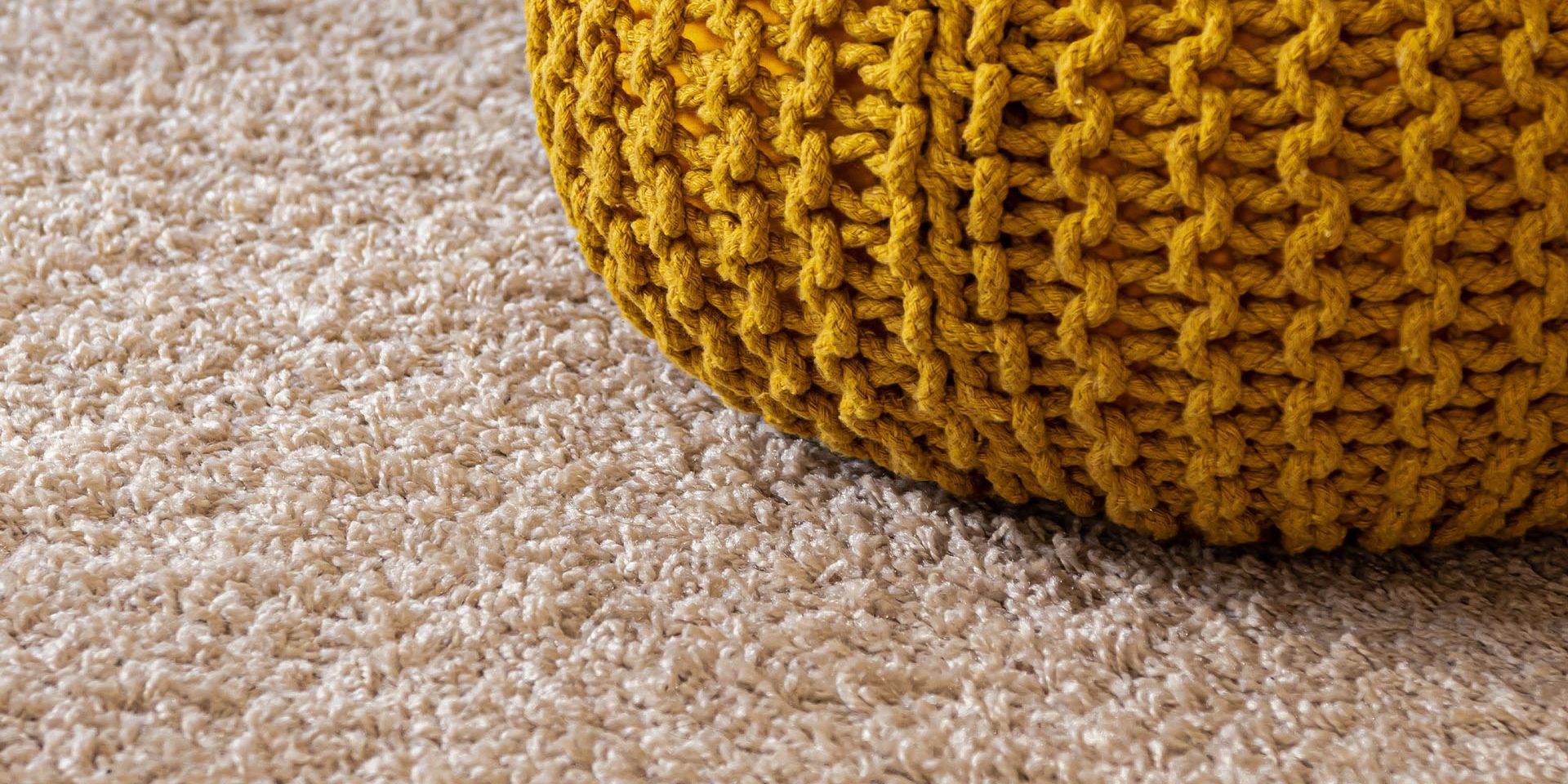
Carpeting is a big part of our home life. It can accent our furniture and surroundings, and help keep the room warmer in the cold winter months here in Colorado. But if you’ve ever had water damage, you know the effects it can have on your carpets. When do you restore? And when do you replace it?
The key to water damage restoration is timing.
The quicker you act, the better chance you have of being able to restore. Wet carpet can mildew, mold, and produce other bacteria that can have serious implications on your family’s health.
But before any restoration is started, it’s important to first find out how the water damage occurred. Is the problem still in existence? Or has it been fixed? The last thing you want is to dry and restore your carpets only to face the same problem within a few short days.
If a carpet is soaked with clean water, the water must be extracted immediately, and dried thoroughly within 24 hours. The carpet should also be treated with a disinfectant to prevent mold and other bacteria from forming.
If your carpet is soaked with dirty or unsanitary water from flooding, toilets or sewer damage, or other appliances that may have left food or other undesirables within your carpets, the damaged carpet may need to be discarded as it might not be cost effective to perform cleaning on that material.
In any type of water damage, the potential doesn’t stop with carpeting.
It also spreads to floorboards, wallboards, insulation, and may also impact other rooms within the area, especially if the water has sat for any length of time.
Be sure to find the source, and fix the entire problem the first time to prevent any further spreading of damage. A plumber can usually help address burst pipes, water line leaks, and more. However if an appliance causes an overflow, you may need an appliance repair specialist to fix the source. It is important to know where the main shut off valve is for your property’s water supply, as it can help prevent further water intrusion in some situations.


