Water damage is one of the most common and potentially harmful issues property owners can face. A small leak or burst pipe can quickly lead to significant structural and health risks if not addressed promptly.
One of the most concerning effects of water damage is mold growth, which can begin surprisingly quickly and lead to more extensive damage to your property and health.
Understanding how water damage leads to mold growth, what factors contribute to its spread, and how water damage restoration can help are crucial in preventing long-term issues.
How Quickly Does Mold Begin to Grow After Water Damage?
Mold spores are naturally present in most indoor and outdoor environments, and they only require three things to thrive: moisture, a suitable temperature, and an organic food source (like wood, drywall, or fabric). Once a space is exposed to water damage, mold growth can begin within 24 to 48 hours if the moisture isn’t removed quickly.
The presence of water creates a perfect environment for mold to establish itself and spread. This rapid growth is why immediate action is essential after any water damage event—whether from a leaky roof, burst pipe, or flooding. The sooner you address water damage, the more effectively you can prevent mold growth and protect your property.
What Are the Stages of Mold Growth After Water Damage?
Mold doesn’t appear instantly, but it develops rapidly. Here’s a breakdown of the timeline:
- First 24 to 48 Hours: Mold spores find moisture and begin to settle. Within this time, mold can start establishing itself in damp materials like drywall, carpet, and insulation.
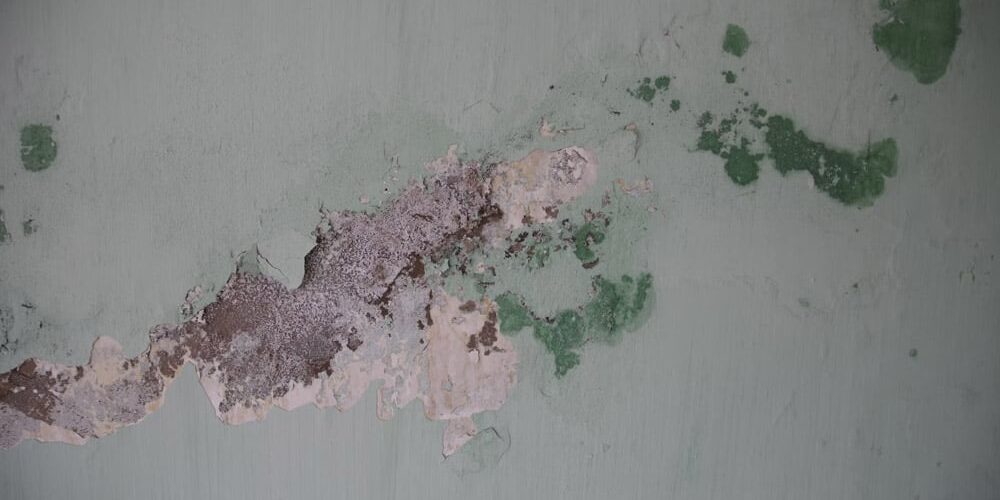
- 48 to 72 Hours: The mold begins to spread and becomes visible. Discoloration and a musty odor may begin to appear. At this point, mold colonies are forming and can cause damage to materials and create health risks.
- 3 to 12 Days: Mold growth is now fully established and can spread quickly to adjacent areas if the moisture source isn’t eliminated.
- After 12 Days: Mold can become deeply embedded in the structure, making it much harder to remove without professional intervention. Structural damage and health risks increase significantly at this stage.
This timeline can vary based on several factors, but it highlights why immediate water damage restoration is critical. Addressing the issue within the first 24 to 48 hours is the best way to prevent mold from becoming a long-term problem.
Factors That Influence Mold Growth After Water Damage
Not all water damage situations lead to mold at the same speed. Several factors affect how quickly mold grows and spreads:
1. Type and Extent of Water Damage
Different types of water (clean water from a supply line, gray water from an appliance, or black water from sewage) have varying risks for contamination and mold. Black water, in particular, can accelerate mold growth due to the presence of organic matter.
2. Temperature and Humidity Levels
Mold thrives in warm, humid environments. Spaces with a temperature range between 77°F and 86°F and relative humidity above 60% are especially prone to mold growth. If the damaged area remains warm and moist, mold will spread more quickly.
3. Ventilation and Air Circulation
Poor ventilation creates stagnant air pockets where mold can thrive. Spaces like basements, crawl spaces, and attics are often at higher risk because they tend to have limited airflow.
4. Material Porosity
Mold grows more readily on porous materials like drywall, carpet, and wood, which can absorb and retain moisture. Non-porous materials like metal and glass are less susceptible, though mold can still grow on dust or dirt that accumulates on these surfaces.
How to Prevent Mold After Water Damage
Acting fast after water damage is the best way to prevent mold growth. Here are some steps property owners can take immediately after discovering water damage:
1. Remove Excess Water Quickly
Use pumps, wet/dry vacuums, and towels to remove as much standing water as possible. The faster you can dry out the space, the less time mold has to develop.
2. Dry and Dehumidify the Area
Use fans and dehumidifiers to reduce humidity and circulate air through the space. A dehumidifier can be especially helpful in maintaining low moisture levels and speeding up the drying process.
3. Dispose of or Clean Affected Materials
Porous materials like carpets, insulation, and upholstered furniture that have been saturated may need to be discarded to prevent mold growth. Non-porous items and hard surfaces should be thoroughly cleaned and disinfected.
4. Monitor for Signs of Mold
Even after drying the area, keep an eye on the space for signs of mold, including discoloration, a musty smell, or visible growth. Mold can sometimes develop even after the area appears dry, so vigilance is key.
5. Contact a Water Damage Restoration Professional
Water damage restoration professionals are equipped to assess the extent of the water damage, thoroughly dry and dehumidify affected areas, and take steps to prevent mold. Professional intervention can save time, reduce risks, and ensure the property is properly restored.
What Happens if Mold Is Already Present?
If you suspect or discover mold after water damage, it’s critical to address it promptly. Mold can quickly spread to other parts of the building and poses health risks, including allergies, respiratory issues, and even severe illness in individuals with compromised immune systems.
Professional mold remediation specialists have the tools and expertise to safely contain, remove, and treat mold-affected areas. Attempting DIY mold removal without the proper knowledge and equipment can inadvertently spread spores to other parts of your property, worsening the problem. This is why professional water damage restoration, which includes mold prevention and remediation, is essential after a water event.
Final Thoughts
If you experience water damage, don’t wait to see if mold will develop. Acting within the first 24 to 48 hours is essential, as mold can begin growing rapidly once moisture is present. Professional water damage restoration services provide comprehensive solutions to extract water, dry out your property, and address mold risks.
Pure Restore offers expert water damage restoration services in Denver, protecting homes and businesses from the risks of mold and further damage. Our team is equipped to handle every step of the restoration process, ensuring that your property is returned to a safe, dry, and mold-free state.
If you’re facing water damage, reach out to Pure Restore to learn more about our water damage restoration services and how we can help prevent mold growth.