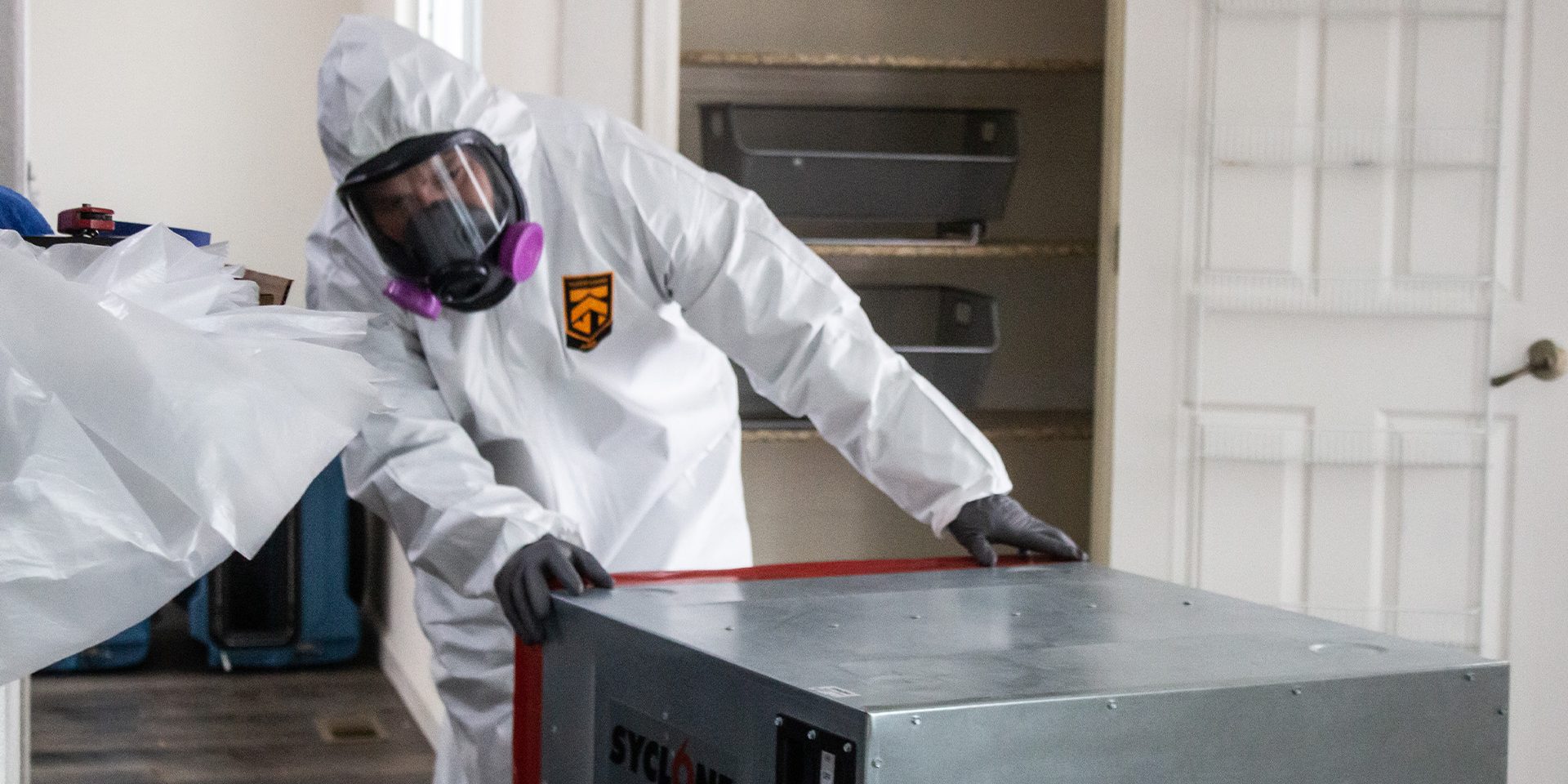
Mold is a natural part of our environment. You’ll find mold growth all through nature as dead organic matter like fallen leaves and dead plants break down. Yet indoors, mold should be avoided because of its risks. Mold starts as tiny spores, and quickly replicates by floating, landing and growing on any surface that is moist or stays wet for indefinite periods.
Problems with Mold
Molds have the potential to cause health problems as they take hold and begin growing. Molds produce allergens, irritants, and sometimes toxic substances that can cause allergic reactions when inhaled or touched. It may start in the way of sneezing, runny nose, red eyes, or even a skin rash, and quickly progress to more severe reactions.
Mold Remediation and Removal
Keep in mind that it is impossible to get rid of molds altogether. Mold is a natural part of our environment, and therefore will always be a part of our living arrangements. The key is to not give molds an environment to grow in. If you have standing water, you will experience mold. So the key is to eliminate the water problem, and thus eliminate the mold.
Mold abatement and remediation is necessary whenever you discover mold growth. While some people choose to handle it themselves, keep in mind that mold can and will grow back if it gets the chance. The only way to stop it is to be thorough in your cleanup. There are certain government guidelines you must meet throughout the process, and verify that the entire area is safe for living in. Painting or calking over even the smallest amounts of mold can prolong the effects and add danger to your families living environment.