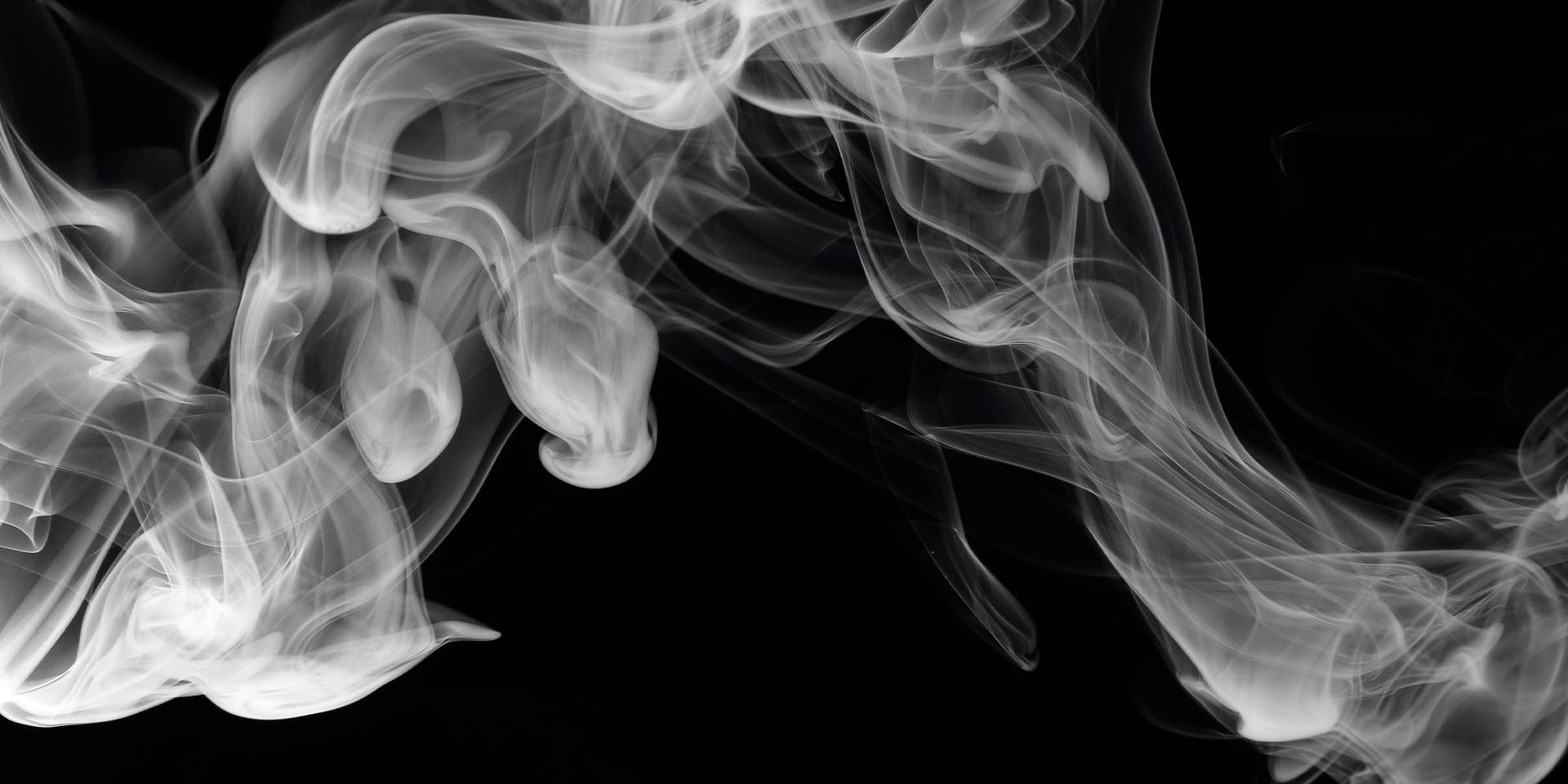
After a fire, no matter how large or small, smoke damage can be one of your biggest problems. Smoke and soot can travel and penetrate beyond the room suffering fire damage. It can creep along wallboards and through ceilings, and affect paint, draperies, carpet, upholstery, clothing and other personal belongings, as well as the wallboards and ceilings themselves.
Tips To Clean Smoke Damage
- Do not begin any work without full protective coverings and a full-mask respirator. Start by separating damaged items from non-damaged. Remove or discard any items that are beyond repair. Move non-damaged items to a secure location.
- Soot must be cleaned before smoke damage. Soot is the fine, powdery substance made up of mostly carbon, which is formed by the incomplete combustion of the materials within the fire. Clean soot immediately to prevent it from being ground in while work is done on other areas.
- Clean areas in stages. Cleaning carpets will prevent soot from being ground into the fibers. It will also prevent tracking materials in and out of rooms that may already be clean. Once carpets are clean, it’s easier to reach draperies, wallboards, and ceilings.
- Much of what exists in our homes is synthetic. When synthetics burn, they cause a variety of chemical reactions. Start cleaning up quickly to avoid complete destruction, and to prevent harmful chemicals being released into the air, causing further damage to your living space.
- Soft materials require different clean up methods than hard surfaces. Don’t try to use the same processes or same chemical to remove soot and smoke damage. Treat each area as a separate problem.
- Take all damage down to the source. You can’t paint over damage and remove the odor. If the wallboard is damaged, replace it.
- While soot damage is visible, much of the smoke damage is invisible to the eye. Yet the odor sustained from smoke damage can linger, causing a very distinct smell. Deodorization is more than covering up the smell; it’s about removing it from the source.